Waifu Garden A Guide to Anime Inspired Digital Art and Fan Culture

Anime-inspired art has moved far beyond sketchbooks and convention tables. It lives in character galleries, digital collections, fan forums, cosy Discord servers, art challenges, wallpapers, and creator shops. At the centre of that world is a simple idea: people connect deeply with characters.
Waifu Garden fits naturally into that space. The name suggests a place where character admiration, anime aesthetics, and digital creativity can grow side by side. For some fans, a “waifu” is a favourite fictional character. For others, it is a design style, a collecting theme, or a starting point for making original characters. Either way, the culture around it is rich, playful, and surprisingly thoughtful.
This guide explores how anime-inspired digital art works, why fan culture matters, and how to enjoy the scene with respect for artists, characters, and communities.

Anime-inspired digital art is built on character feeling
Anime-inspired digital art is not just about large eyes, colourful hair, and clean linework. Those features matter, but the real appeal comes from character feeling. A strong design can suggest a whole life in one glance.
A character might look shy because of their posture. They might feel bold because of a sharp silhouette, bright colours, or a confident expression. A soft cardigan, a hairpin, a school bag, or a fantasy weapon can tell a small story before a single word is written.
That is why anime art works so well online. It communicates quickly, but it also rewards attention. People notice the tiny details:
A colour palette that matches the character’s personality
Accessories that hint at hobbies or background
Facial expressions that feel specific rather than generic
Clothing folds, lighting, and texture that create atmosphere
Poses that reveal mood, confidence, or vulnerability
Digital tools make these ideas easier to test. Artists can change colours, adjust a pose, flip a canvas, or try different lighting without starting again from scratch. That freedom helps beginners learn, and it gives experienced artists space to refine a design until it feels right.
The best anime-inspired art often sits between familiar and fresh. It may use recognisable visual language, such as sparkling eyes or dramatic hair shapes, while still giving the character a distinct identity. That balance is one reason fan culture keeps returning to character design. There is always another version to imagine, another outfit to draw, another mood to capture.
The meaning of waifu culture has changed over time
The word “waifu” comes from fan slang and has been used in many ways across anime communities. At its simplest, it describes a beloved fictional character, often one fans feel attached to or admire. The term can be sincere, funny, ironic, or deeply personal, depending on the person using it.
In healthy fan spaces, waifu culture is less about ownership and more about affection. Fans celebrate characters because they find them comforting, inspiring, stylish, or emotionally memorable. A favourite character might be linked to a powerful scene, a great voice performance, a clever design, or a personal memory of watching a series at a certain point in life.
That attachment can take many forms:
Saving art of a favourite character
Commissioning an original illustration
Collecting figures, prints, or keyrings
Writing fan fiction or headcanons
Creating an original character inspired by anime design
Joining character-themed discussions or events
Waifu Garden can be seen as part of this wider culture. It reflects the idea of curating, appreciating, and growing a collection of character-centred art. A garden is a useful image here because fandom is not static. Tastes change. New characters appear. Artists improve. Communities form around shared favourites, then branch into new genres and styles.
Respect matters. Characters may be fictional, but the artists, writers, voice actors, and fans around them are real people. Good fan culture leaves room for different tastes without turning disagreement into hostility. It also recognises the difference between playful admiration and behaviour that makes others uncomfortable.
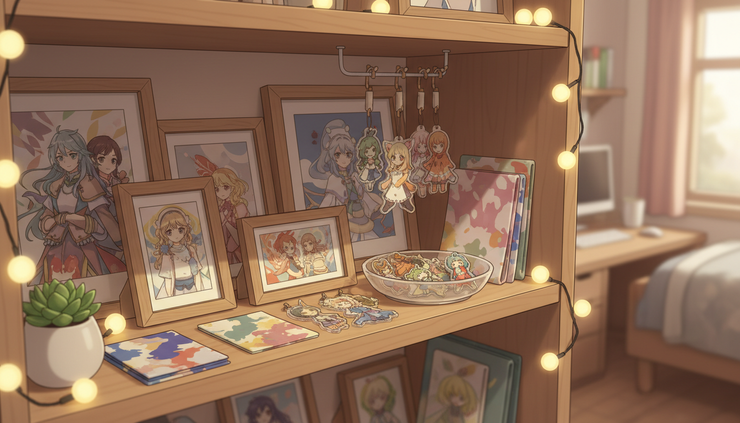
Digital artists shape the culture as much as fans do
Anime-inspired fan culture depends on artists. They create the illustrations, avatars, reference sheets, stickers, prints, banners, and character concepts that give communities their visual life.
Some artists draw existing characters as fan art. Others design original characters, often called OCs. Many do both. The skills overlap, but the creative choices can differ.
Fan art asks, “How can this known character be seen in a new way?” An artist might draw a character in casual clothes, place them in a seasonal setting, or explore a quieter emotion from a story. The goal is often recognition with a twist.
Original character art asks, “How can this new person feel believable and memorable?” The artist builds the design language from the ground up. They choose the character’s colours, shape, clothing, expression, and symbolic details. A good OC does not need a full novel behind them, but they often feel as if one could exist.
Digital platforms have changed how artists work with fans. Commissions are now a key part of the scene. A fan can ask an artist to draw a favourite character, a custom avatar, or a personal OC. Clear communication helps both sides.
A strong commission request usually includes:
A short description of the character
Visual references where allowed
Preferred pose, expression, and mood
Outfit details
Intended use, such as personal avatar or print
Any boundaries or details to avoid
Artists should state their terms clearly. Fans should respect those terms. That includes payment, revision limits, usage rights, and whether the art can be reposted. If a piece is for personal enjoyment, that does not mean it can be used on merchandise or edited without permission.
Credit is one of the simplest ways to support an artist. When sharing artwork, include the artist’s name or handle if they allow reposts. If reposting is not allowed, do not repost. Sharing a link to the original post is often better than saving and uploading the image elsewhere.
Fan spaces work best when creativity has boundaries
Fan culture thrives on remixing, interpreting, and reimagining. Still, boundaries keep that creativity healthy. They protect artists, fans, and the tone of the community.
The first boundary is consent. Artists get to decide how their work is used. A public image is not free material for edits, tracing, resale, or AI training. Some creators allow fan edits or profile picture use with credit. Others do not. If the rules are unclear, ask or avoid using the work.
The second boundary is age-appropriate content. Anime fandom includes people of many ages. Public spaces should be clear about content ratings and should avoid exposing minors to adult material. Sites and communities that host mature content need clear labelling and responsible moderation.
The third boundary is character treatment. Fans often disagree about ships, interpretations, or “best girl” debates. Those discussions can be fun when they stay playful. They become harmful when people harass others for liking a different character or pairing.
A simple rule works well: celebrate what you like without attacking what someone else loves.
There is also the question of AI-generated imagery. Many anime fans enjoy new tools, and some use them for mood boards or personal experiments. At the same time, many artists worry about consent, dataset use, and lost income. A respectful approach is to be transparent about how an image was made, avoid imitating living artists by name, and support human artists through commissions, tips, or purchases where possible.
Fan culture does not need to choose between tradition and technology. It does need honesty. People care about how images are made because they care about the creators behind them.
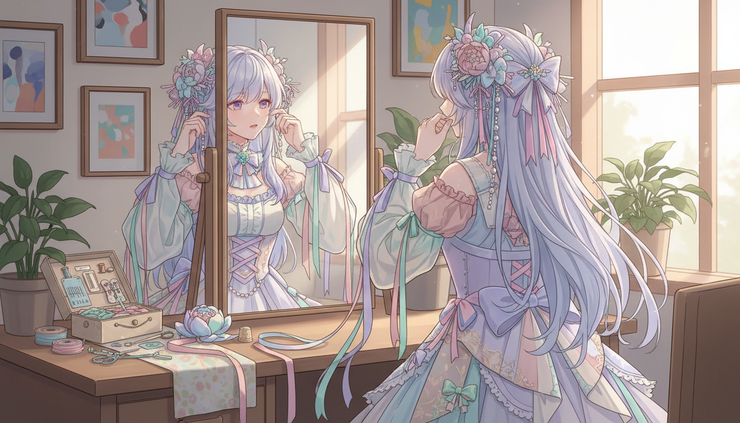
Style, storytelling, and community keep the garden growing
The lasting appeal of anime-inspired digital art comes from the way it blends style and story. A single illustration can act like a doorway. Viewers start asking questions. Who is this character? What do they want? What kind of world do they live in? Why do they look sad, proud, amused, or determined?
That response is powerful because it invites participation. Fans do not only consume the art. They build around it. They create playlists, mood boards, short stories, cosplay plans, roleplay profiles, and themed collections. A character becomes a shared reference point.
Communities form through small repeated actions:
Commenting thoughtfully on a new artwork
Joining a seasonal drawing prompt
Trading character design ideas
Sharing tips on anatomy, colour, and lighting
Recommending artists without demanding free work
Respecting spoiler rules for current anime series
These habits may seem small, but they shape the tone of a space. A welcoming community helps beginners post their first sketches. It helps collectors discover new artists. It lets long-time fans enjoy familiar tropes without shame, while still making room for fresh ideas.
For a site like waifugarden.com, the strongest path is curation with care. A good fan-art space should feel easy to browse, but also respectful of source, style, and artist effort. Character categories, art themes, seasonal features, and creator spotlights can help visitors find what they love without reducing the culture to quick scrolling.
The “garden” idea also suggests patience. Artists improve over time. Fans refine their taste. Communities learn better norms. A collection grows piece by piece. Some favourite characters stay for years, while others belong to a brief season of excitement. Both matter.
How to enjoy Waifu Garden with respect and curiosity
There is no single correct way to enjoy anime-inspired art. Some people love polished digital paintings. Some prefer sketchy expression sheets. Some collect soft slice-of-life characters, while others prefer fantasy warriors, idols, magical girls, or quiet background characters with one unforgettable scene.
A thoughtful approach makes the experience better.
Start with the art, not the argument. Notice what attracts you before judging whether a character is popular enough, rare enough, or “correct” to like. Pay attention to colour, shape, emotion, and design. The more you look, the more you will understand your own taste.
Support artists when you can. Buying a print, commissioning a piece, leaving a kind comment, or sharing an approved link all helps. Not every form of support costs money. Genuine engagement can mean a lot, especially for smaller creators.
Keep your collection organised. Save artist names with files where possible. Use folders for characters, styles, or commission references. If you post a gallery or mood board, credit clearly and remove anything the artist does not want shared.
Make space for original characters. Fan art of known characters often gets the most attention, but OCs are where many artists show their strongest ideas. An original waifu or husbando design can carry just as much charm as a character from a famous series.
Most of all, stay curious. Anime-inspired digital art changes quickly because fans and artists keep experimenting. New colouring styles, outfit trends, brush techniques, and character archetypes appear all the time. That constant growth keeps the culture alive.
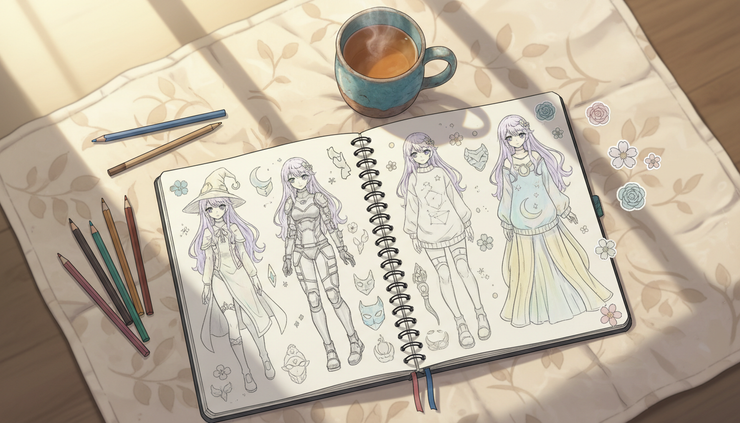
A living space for character love and creative expression
Waifu Garden A Guide to Anime Inspired Digital Art and Fan Culture is really a guide to connection. The art matters because people see emotion, style, humour, comfort, and identity in fictional characters. The fandom matters because those feelings grow stronger when shared well.
The healthiest version of this culture is creative, respectful, and open-hearted. It values artists. It welcomes new fans. It treats favourite characters as sparks for imagination rather than reasons for conflict.
A good garden needs care. So does a fan space. Credit the artists, respect boundaries, enjoy your favourites, and leave room for someone else’s. That is how anime-inspired digital art keeps blooming.
Comments